Driving inclusive health systems

Democratizing healthcare for underserved communities.

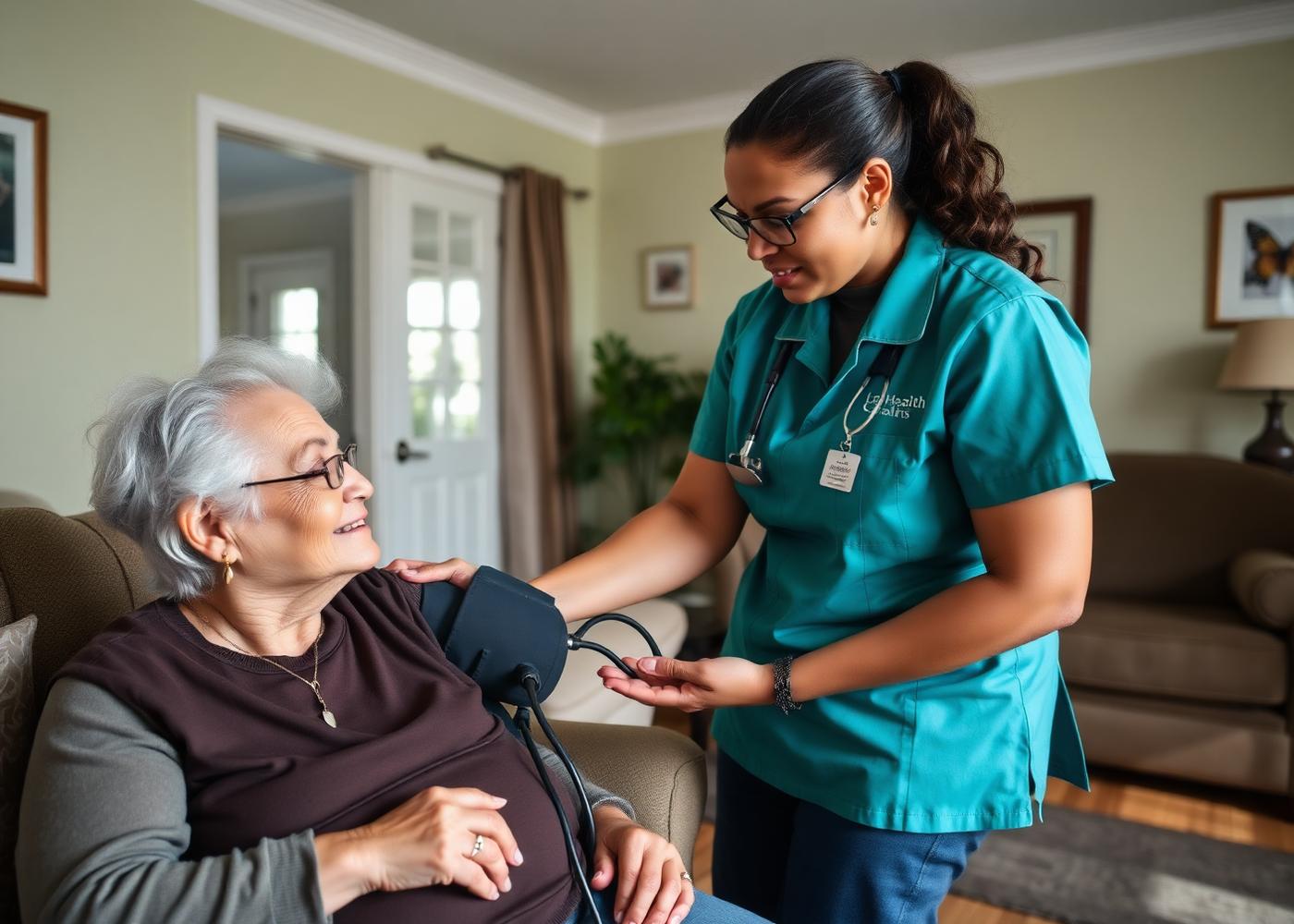
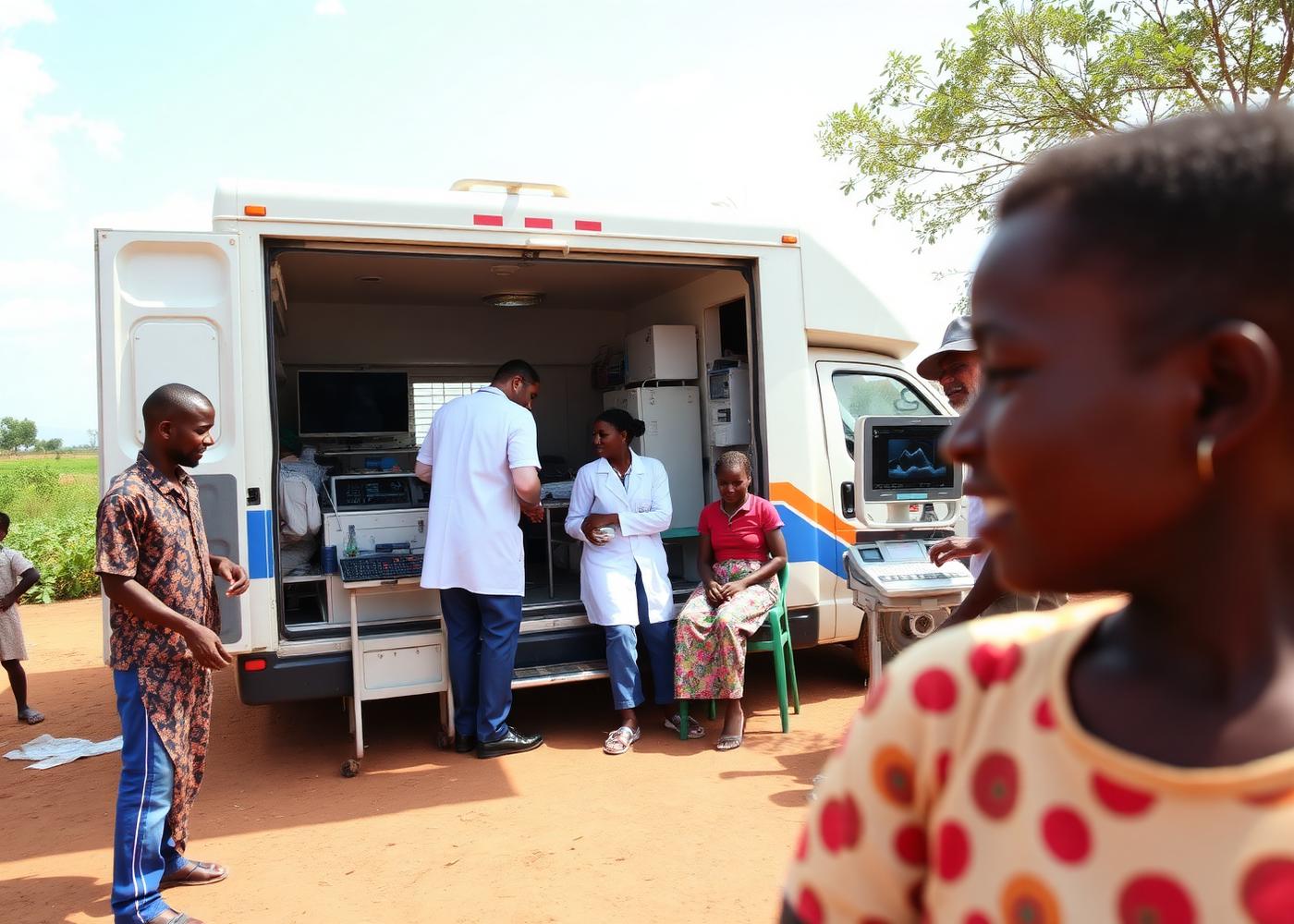
A technology-enabled, multi-tiered healthcare model delivering affordable, preventive, and community-based care through virtual platforms, mobile community health workers, and mobile diagnostic clinics.

Care that moves with the community — from screening to diagnosis, treatment, monitoring, prediction, and prevention.
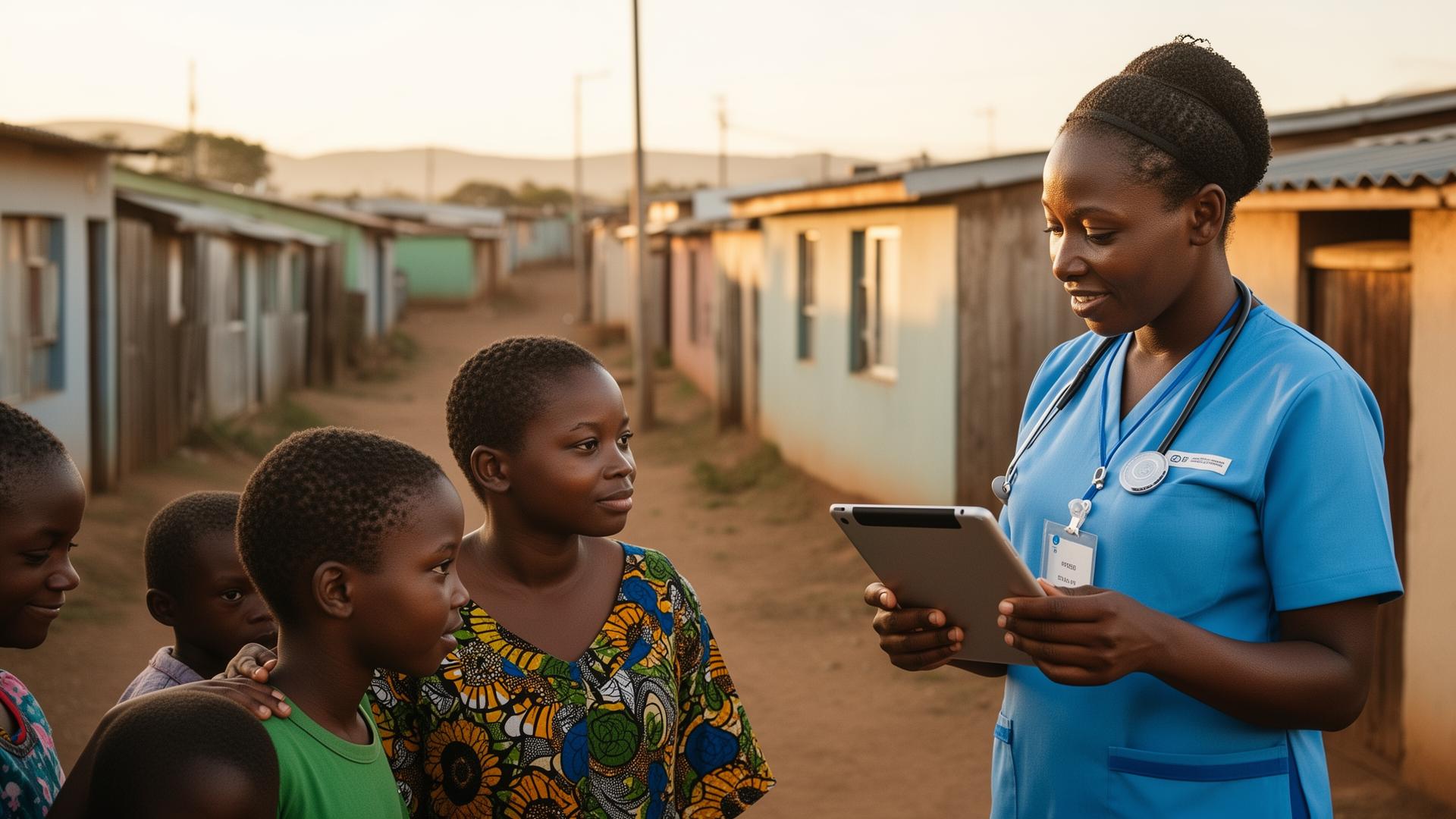
Community health worker visiting a family in a South African neighborhood

Who we are

Building inclusive health infrastructure for communities the formal system has not reached.

We combine community health workers, mobile diagnostic capacity, and a unified digital platform into one operating model.

Community-led

Care delivered where people live, by people from those communities.

Evidence-driven

Every consultation, screening, and outcome is captured and measured.

Reinvested

Structured as a non-profit — surplus is plowed back into the communities served.

The context

A health system under strain.

The majority of South Africans rely on an overburdened public healthcare system, served by a small fraction of the country's doctors. Many communities face long travel distances, poor infrastructure, scarce clinical resources, and delayed diagnosis.

The country carries one of the world's highest tuberculosis burdens, rising rates of hypertension, diabetes, HIV, and cardiac disease — much of it preventable or manageable when caught early.

Quali Health Intelligence exists to close this gap — delivering healthcare where people live, work, learn, and build their lives.

Our solution
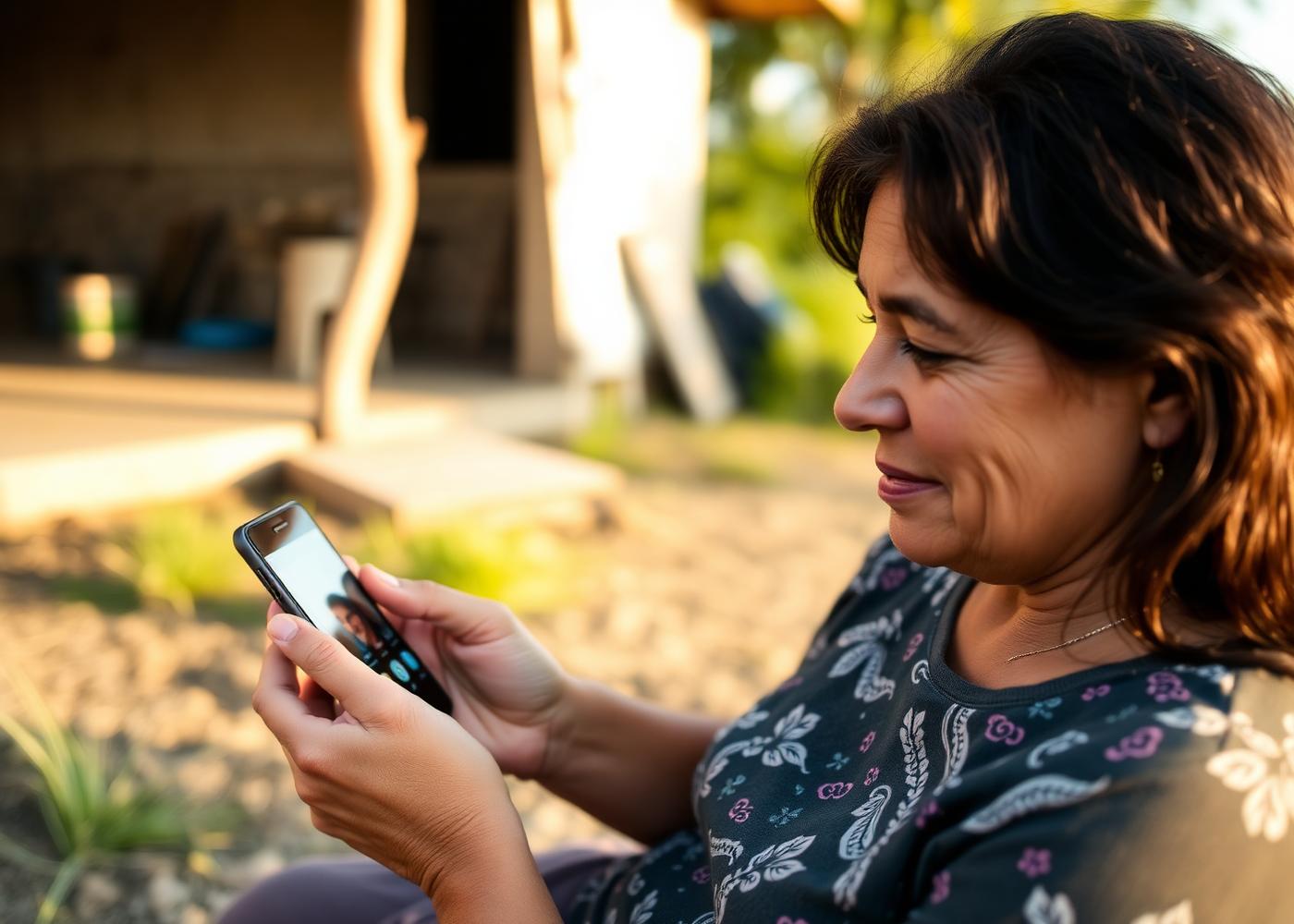
Three tiers of care, working as one continuous network.

01 — Virtual Platform

The first point of digital contact.

  • Health advice through voice notes
  • Low-literacy-friendly communication
  • Digital TB screening via cough recordings
  • Basic digital consultations
  • Patient education & referrals
  • Remote doctor support
The first point of digital contact.
02 — Mobile CHWs

Trained workers bringing care into the home.

  • In-home consultations
  • Chronic disease monitoring
  • TB screening & diagnostics
  • Maternal and infant care
  • Health education & follow-up
  • Remote doctor-assisted consultations
Trained workers bringing care into the home.
03 — Mobile Diagnostics

Clinical services closer to underserved communities.

  • ECGs and Ultrasound
  • X-rays
  • Laboratory sample collection
  • Preventive screening
  • Chronic disease checks
  • Referral to definitive care
Clinical services closer to underserved communities.

How it works

A continuous-care model.

Digital platforms, clinical teams, community workers, mobile diagnostics, and predictive analytics — working together to identify risks earlier and intervene faster.

  1. 01
    Screen
  2. 02
    Diagnose
  3. 03
    Treat
  4. 04
    Monitor
  5. 05
    Predict
  6. 06
    Prevent

Technology backbone

Built for low-resource environments.

Hybrid cloud, edge computing, and offline-first functionality for mobile clinics.

Electronic health records
Telehealth
AI triage
Workforce management
Digital twin models
Mobile clinic coordination
Data governance
Secure patient records
Interoperability with labs, hospitals & pharmacies

Governance & Compliance

Healthcare must be trusted.

We are building a board-ready governance and compliance framework aligned with South Africa's healthcare and data protection standards.

Built for board-ready trust
  • POPIA
  • HPCSA ethical guidelines
  • South African healthcare governance laws
  • PPPFA and PFMA procurement frameworks
  • Cybersecurity controls
  • Telehealth compliance
  • CHW operational governance
  • Digital health & AI governance controls

Our impact goals

Measurable health gains for communities.

What we set out to deliver — across screening, diagnosis, treatment, monitoring, prediction, and prevention.

Earlier diagnosis
Catch preventable and manageable conditions before they escalate.
Local employment
Train and employ people from the communities we serve as health workers.
Reduced hospitalisation
Lower avoidable admissions and complications across served communities.
Stronger data
Trusted health records that improve coordination and decision-making.
Healthier households
Less financial vulnerability caused by illness and missed work.

Why it matters

Health is an economic mobility enabler.

Health interventions strengthen communities in five connected ways:

  • Protect household income. Preventive and early-stage care reduces the risk of catastrophic health costs that push families into debt.
  • Improve employability. Healthy individuals are more likely to attend training, complete education, and remain productive at work.
  • Support youth opportunity. Mental health, reproductive health, and nutrition support improve school attendance and job readiness.
  • Create local jobs. Community-based programmes train and employ local people as health workers, coaches, and outreach coordinators.
  • Strengthen resilience. Healthier communities sustain small businesses, participate in local markets, and recover from shocks.

Let's bring healthcare closer to the people who need it most.

Partners, funders, providers, employers, and community organisations welcome.